Have you ever stopped to ponder the frequency with which the average person flushes the toilet each day? Surprisingly, studies reveal that the typical individual flushes the toilet approximately five times daily. When you consider that the national average water cost is a mere 2 cents per 1000 gallons (equivalent to almost 3,800 liters), it begs the question: where does the issue lie?
It's high time we take control of our toilet's flush volume and actively manage our water usage during each flush. By doing so, we can effectively curb our excessive water consumption and contribute to water conservation efforts. The type of toilet installed in your household plays a significant role in determining your annual water usage. Let's delve deeper into this matter.
The Old Toilets

The category of "old toilets" encompasses all toilet models manufactured before or during the 1980s. Those predating the decade typically consumed a staggering 5 to 7 gallons (19-19 liters) of water per flush. Just imagine, some older models even required more than 8 gallons (30 liters) for a single flush! While the toilets from the 80s were relatively more conservative, using approximately 3.5 gallons (13 liters) per flush.
Consider this: with the average person flushing the toilet five times a day, it's easy to see how quickly water wastage can accumulate. And with each flush, we're essentially paying for that waste!
If your home is an older American residence, chances are you still have an outdated bathroom setup. While these toilets may effectively clear waste, they do so at the expense of excessive water consumption, without any justifiable reason. It's time for a change.
Low-flush Toilets
In response to the growing concern over water conservation, manufacturers have prioritized the development of eco-friendly bathroom fixtures. Since 1994, all American standard toilets have been engineered to utilize less than 1.6 gallons (6 liters) of water per flush.
Initially, there were complaints about the flushing performance of these low-flush units when they first entered the market. However, significant advancements have been made over time to enhance their efficiency, ensuring they are on par with older models while minimizing water wastage.
Considering that toilets account for nearly one-third of household water consumption each day, transitioning to a low-flush toilet can yield substantial water and cost savings annually. Make the eco-conscious choice and upgrade to a low-flush toilet to contribute to water conservation efforts while reducing your utility bills.
High-Efficiency Toilets

Today's modern toilets boast impressive water-saving features, utilizing a minimal amount of water per flush. With a requirement of just 1.3 gallons (4.9 liters) of water per flush, these toilets offer both efficiency and sustainability.
For a typical family of four, a modern toilet can last an entire year while using less than 9,000 gallons (approximately 34,100 liters) of water for flushing. This remarkable achievement signifies a significant reduction in water consumption compared to older models, contributing to conservation efforts and promoting environmental responsibility.
By embracing modern toilet technology, households can enjoy not only enhanced water efficiency but also long-term cost savings and eco-friendly practices. Upgrade to a contemporary toilet today and join the movement towards sustainable living and conservation.
Toilets with dual flush

Dual-flush toilets represent the pinnacle of modern efficiency in bathroom fixtures. Offering the flexibility of choosing between a full flush and a half flush, these innovative models provide tailored water usage based on your specific needs. With just 0.8 to 1 gallon (3 to 4.2 liters) of water for a half flush and 1.4 gallons (5.9 liters) for a full flush, dual-flush toilets set a new standard for water conservation.
Not only are dual-flush toilets the most efficient option available, but they also offer significant environmental benefits. By investing in one of these toilets, you're making a proactive decision to reduce water consumption and minimize your environmental footprint.
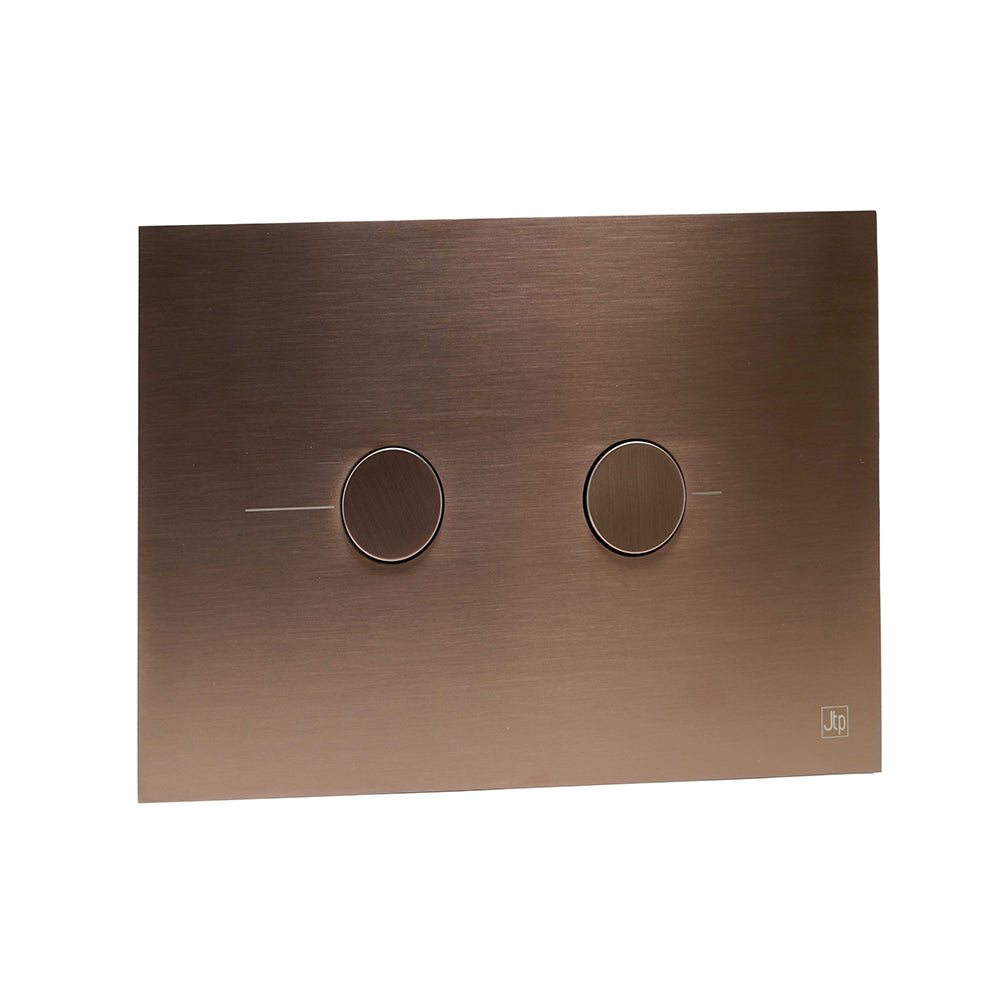
Make the switch to a dual-flush toilet today and experience the perfect blend of sustainability, efficiency, and cost savings in your bathroom.
How much water does a leaky toilet use ?
Did you know that one out of every five toilets leaks? It's a startling statistic, especially considering the significant rise in water costs over the past decade. With water expenses soaring by 200%, it's essential to be vigilant about potential leaks in your home.
A properly functioning toilet can save up to 27% of water compared to the daily average. However, if your toilet is leaking, you could be losing thousands of gallons of water every month. This not only drives up your water bills but also contributes to unnecessary water wastage and environmental strain.
Don't let a leaky toilet drain your resources and harm the planet. Take proactive measures to identify and address leaks promptly, ensuring optimal water efficiency and conservation in your home.
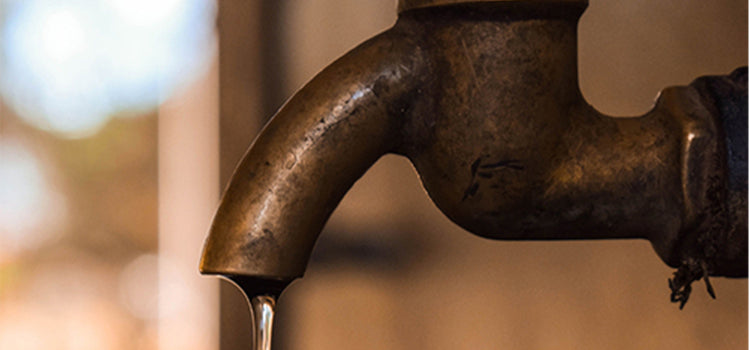
After discussing the significance of leaky toilets and their impact on water consumption, it's essential to address any plumbing issues promptly. If you're experiencing leaks in your bathroom fixtures, such as taps, you might find this comprehensive DIY guide on fixing dripping taps in your bathroom useful. It provides step-by-step instructions and practical tips for resolving plumbing issues efficiently. Feel free to check it out for additional insights.
Tips for Saving Toilet Water
Discover effective strategies to reduce water consumption and promote eco-friendly habits when using the toilet:
● Opt for the trash can: Instead of using the toilet for disposing of waste, consider using a trash can. This simple switch helps minimize unnecessary flushing, saving water and reducing your environmental footprint.
● Adjust water flow: If you notice slow water flow in your toilet, take action to adjust it promptly. By ensuring optimal water flow, you can prevent wastage and promote efficient water usage.
● Monitor water levels: Check if your toilet tank is equipped with a water line indicator. Keep the water level adjusted at or below this line when refilling the tank to prevent excess water usage.
● Utilize low-volume flush: If you have a dual flush toilet, take advantage of its low-volume flush mode. This option allows you to conserve water by using a reduced amount for flushing, promoting water efficiency without compromising performance.
Incorporating these simple yet effective tips into your daily routine can make a significant difference in water conservation efforts and contribute to a more sustainable future.